

Recovery is often associated with therapy sessions, medication management, and medical oversight. While those elements are essential, there is another equally important factor that directly impacts healing: nutrition.
At Lake Village Rehabilitation and Care Center, proper nutrition is recognized as a foundational part of the recovery process. Healing the body requires more than rest — it requires fuel.
After surgery, illness, or hospitalization, the body works overtime to repair tissues, fight infection, and rebuild strength. Without adequate nutrition, that process can slow significantly.
Protein supports muscle repair and immune function.
Hydration aids circulation and prevents complications.
Vitamins and minerals strengthen the body’s natural defense systems.
When nutritional needs are met consistently, residents often experience:
- Improved energy levels
- Better therapy participation
- Faster wound healing
- Stronger immune response
- Reduced risk of complications
Food becomes part of the treatment plan, not simply a daily routine.
Rehabilitation focuses heavily on regaining strength and mobility. However, muscle recovery depends on proper nourishment. Without sufficient protein and calories, rebuilding strength becomes more difficult. At Lake Village Rehabilitation and Care Center, dietary services work closely with nursing and therapy teams to ensure each resident’s meals align with their clinical needs and personal preferences.
- Customized meal plans may consider:
- Special diets for heart health or diabetes
- Texture modifications for safe swallowing
- Increased protein for wound healing
- Hydration support to prevent dehydration
By aligning nutrition with medical goals, the recovery process becomes more effective.
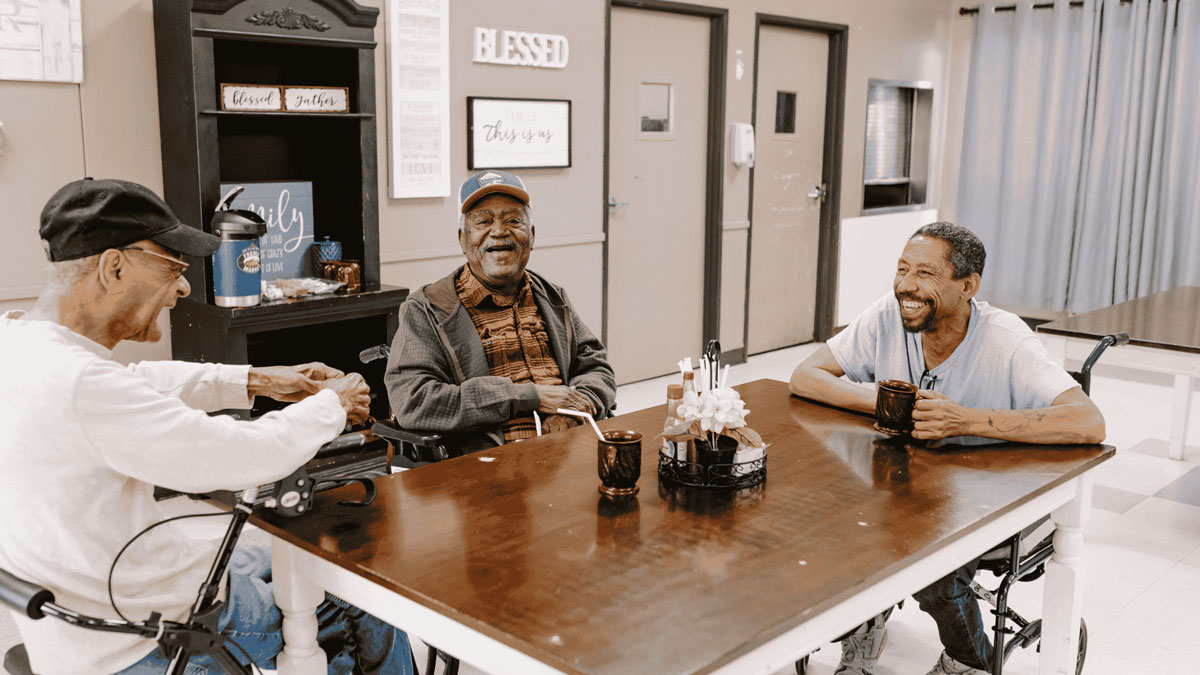
Nutrition is not only about physical health. Mealtime carries emotional significance as well. Familiar flavors, shared dining experiences, and comfortable routines can improve mood and appetite. Residents are more likely to eat well when meals are enjoyable and presented in a welcoming environment. Social dining also encourages conversation and connection, which supports overall emotional well-being.
In many ways, meals become moments of normalcy during recovery — grounding residents in routine while their bodies regain strength.
Poor nutrition can increase the risk of fatigue, falls, delayed healing, and hospital readmission. Proactively addressing dietary needs helps reduce these risks and supports long-term stability. Monitoring intake, adjusting plans as needed, and communicating between departments ensures that residents receive consistent support throughout their stay. Families gain peace of mind knowing that every aspect of recovery — including nutrition — is carefully considered.
For many residents, the ultimate goal of rehabilitation is returning home safely. Strength, balance, and endurance are visible signs of progress, but behind those improvements is the quiet work of proper nutrition.
At Lake Village Rehabilitation and Care Center, healing is approached holistically. Therapy builds strength. Nursing provides oversight. And nutrition fuels every step forward.
Because recovery isn’t just about movement — it’s about giving the body what it needs to rebuild, restore, and return to everyday life with confidence.